Menopause awareness
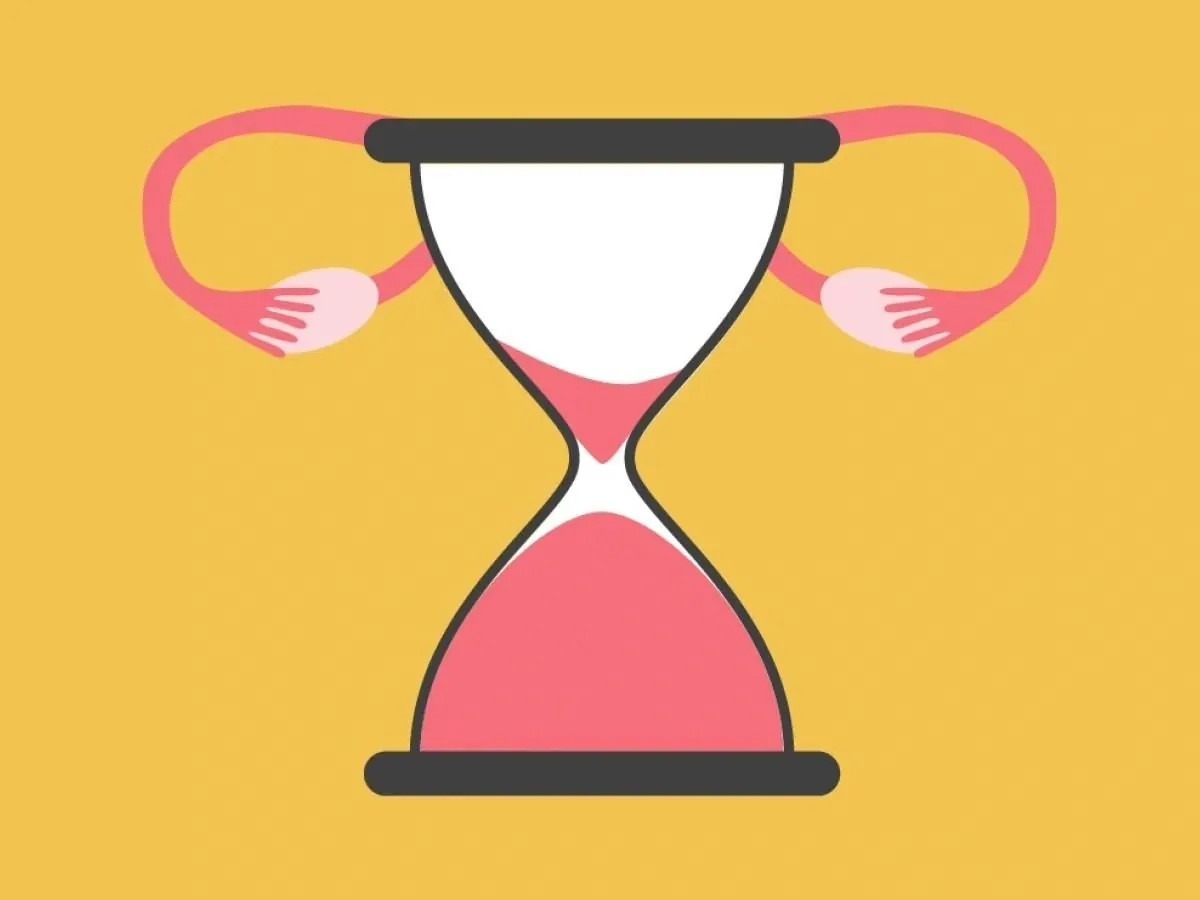
The month of October is noted as world menopause month and the 18th of the month as world menopause day. WHO has proposed this to raise awareness among women and society.
Typically, in their forties, women go through a phase of life where they have to juggle between family responsibilities, teenage children, elderly parents and career. To add to this, she has to face changes that lead to menopause. This is both physically and emotionally draining for many women. But, unfortunately, women as well as the society do not understand the changes well. Hence, required medical and emotional support are found lacking. Awareness is the first step in helping her sail through these challenging times. This post aims to peek into this phase of life of a woman and build awareness.
What is menopause ?
Menopause is a natural biological event in the life of a woman after which menstrual cycles no longer happen. This happens when ovaries produce very low amount of oestrogen (female sex hormones). When a woman, in her menopausal age, does not get periods for 12 straight months, she is considered to have attained menopause. The average menopausal age of Indian woman is 46.2 years +/- 4.9 years which is lesser than that of western counterpart (51 yrs)
When a woman attains menopause at an age less than 40 years, it is termed as premature menopause or premature ovarian failure which has got medical significance.
What is perimenopause?
The time period running up to the menopause event is called the perimenopausal period. This is usually 4 to 8 years preceding menopause. During this phase, the sex hormone levels in a woman starts to dwindle, causing imbalances in the body. This leads to irregularity of cycles and other symptoms. Usually, women do not understand these changes well and often confuse them for other conditions.
What are the common symptoms of perimenopause and menopause?
Irregular cycles – Initially, the cycles become shorter with heavy flow and later on becomes widely spaced out and ultimately stops.
Hot flashes – Recurrent transient feeling of a sudden wave of heat in the upper body with sweating is a tell-tale sign of impending menopause. Around 75% of women will have hot flashes of varying degrees of severity. This usually lasts for up to two years, but rarely for some people it could last up to 10 to 12 years
Night sweats – Hot flashes happening at night leading to sleep disturbance
Mood swings – Irritability, easy crying (family members get quite surprised!!!) and emotional outbursts are common features along with mental fogging or cloudiness.
Weight gain – Fat redistribution and slowed metabolism lead to weight gain and difficulty in losing weight. Women get quite upset about their physical changes.
Changes to genital area – Vaginal dryness and pain accompanied by drop in libido. Burning sensation while passing urine and other urinary problems like recurrent urinary infections are also common.
Skin and hair changes – Skin becomes dry, dull and itchy. Thinning of hair and hair loss.
Breast changes – Pain and loss of breast fullness
What are the long term health issues after menopause
Cardiovascular health – Blood pressure changes and increased risk of heart diseases
Bone health -Weak bones (osteoporosis) and loss of muscle mass(sarcopenia) leading to tendency for easy fractures
Mental health – Cognitive decline, memory loss
How to sail smooth through perimenopause and menopause?
Healthy eating habits
- Have small, frequent meals to help in metabolism.
- Avoid irregular eating habits and binge eating after prolonged fasting.
Nutritious and healthy diet
- Calcium rich diet which includes eggs, dairy products, seafood, spinach etc. to improve bone health.
- Include sprouts, lentils, soybeans, chickpeas, flaxseed etc. which are rich in phytoestrogen.
- Protein rich diet which includes all lentils, pulses ,egg whites, fish and meat to improve and maintain muscle mass
- Plenty of green leafy vegetables and fruits
- Drink enough water – 2 to2.5 liters of water in a day
Avoid unhealthy diet
- Too much of caffeine, tea, sugary and carbonated drinks
- Too much of spicy ,oily food, refined sugars
- Processed, canned and snack foods
Healthy Lifestyle
- Regular exercise (brisk walking 30 minutes a day 5 days a week) with strength training(lifting weights) helps to strengthen bones, maintain muscle mass, reduce weight gain and helps to reduce hot flashes.
- Avoid smoking and alcohol
- Get adequate rest and sleep
- Wear cotton breathable comfortable clothing
- Avoid crowded and congested places
- Try to be in cool airy environment as far as possible
Is there a need to consult a doctor during perimenopause / menopause
One in three women will face some problems associated with menopause. Many of them will tackle it without much difficulty but some may not.
With the current life expectancy, post-menopausal phase is around a third of her life. So, we should take necessary steps for enabling a healthy life during this phase. Menopause could act as a trigger event for doing preventive health check up like cervical cancer screening, mammography, colonoscopy, bone mineral density testing etc. which will help in baselining her health parameters. Discussion with her doctor will help her understand the body changes, take necessary measures to tackle immediate issues as well as prevent long-term health problems.
Let us make the post-menopausal phase of a woman more productive and enjoyable! We will discuss bone health, which is the theme for world menopause day 2021, in the next post.