
Pap smear and Cervical Cancer

In this post, we will look at the significance of an under-utilized screening modality called pap test. Pap smear or pap test is used to screen for cervical cancer, one of the most deadly cancers among Indian women.
If detected at an early stage, we can successfully treat cervical cancer and give good quality of life to the patient. The long pre-cancer period gives the opportunity to detect the disease early. We will discuss about pap test and address the main queries to create awareness of this high impact screening test.
Why should I be concerned about cervical cancer?
Below are some data points that highlight the significance of cervical cancer in the Indian context:
- It is the second leading cancer in Indian women, after breast cancer
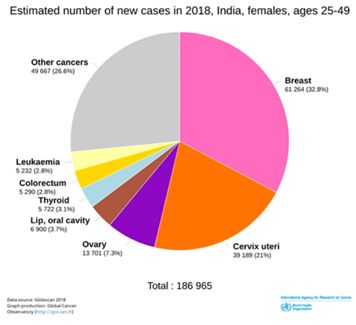
- Lifetime risk : On an average 1 in every 53 Indian women is detected with cervical cancer during their lifetime
- A woman dies every 8 minutes in India of cervical cancer
- Early stages may not show any symptoms which is worrisome
- 70% of cervical cancer cases in India present at late stages, stage 3 and 4, and 20% of them die within one year of diagnosis (Paper on Cervical Cancer Screening in India)
All women are at risk for cervical cancer. Early diagnosis and treatment are required for a good outcome. So, it is important to be aware of the prevention and detection strategies available, like vaccination and screening. Unfortunately, these are under-utilized in India.
What is cervical cancer?
It is the cancer of the cervix, a part of the female reproductive tract. Cervix is located towards the lower part of the womb and connects vagina to womb (gateway of the uterus).
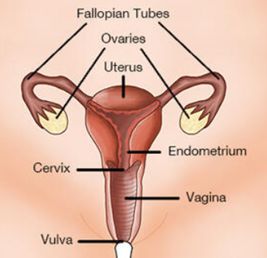
Cervical cancer affects the cervix initially, then spreads to the nearby organs and at later stages to other remote parts of the body**. However, the advantage with this cancer is its prolonged pre-cancer stage. This provides a window of opportunity to detect and treat at an earlier stage.**
What causes cervical cancer?
- Human Papilloma Virus (HPV), a group of viruses, mainly causes cancer of the cervix
- It is a very common virus, passed from one person to another during sex
- Most women get it, but it usually goes away on its own
- If HPV doesn’t go away, it causes changes in the cells of the cervix leading to cancer
- These changes in cells take time – 10 to 15 years – to become cancerous
Even a single sexual contact can expose a woman to HPV. So, women who are sexually active or have been active at least once are prone to develop cervical cancer.
Risk factors for cervical cancer
Some of the factors that increase the risk of cervical cancer are:
- Smoking
- Early sexual activity
- Multiple sexual partners
- Giving birth to three or more children
- Weakened immunity states like HIV
What are the typical symptoms of cervical cancer?
It is important to note that early stages and pre-cancerous stages typically do not present any symptoms. Symptoms, when they present, include:
- Bleeding between periods or after sex
- Bleeding or discharge after menopause
- Pain during sex
- Unusual vaginal discharge
- Lower back pain
What is pap smear / pap test?
Pap smear is a screening test for cervical cancer. The test utilizes the prolonged pre-cancer stage. It looks for changes in the cells of the cervix that could turn into cancer if left untreated.
It involves gentle scraping and collecting loose cells for analysis from the surface of cervix. The doctor uses a brush to collect the cells, during a regular pelvic examination, in the clinic. This is a simple, painless and cost effective outpatient procedure. The collected sample is sent to the lab to look for early changes in the cells that may lead to cancer. A pap smear typically costs between Rs. 500 to 1200. The procedure will take only 5 min and after the procedure you can return back to your regular routine immediately.
What is the need to do pap smear at regular intervals?
- Single test may not pick up all the changes
- The risk of acquiring HPV is continuous in a sexually active woman
Hence, women should do the test at regular intervals. A pap test when combined with HPV testing (virus testing) becomes more sensitive.
What is the interval in which pap smear should be done?
We should start pap tests from the age of 21. Below is the screening frequencies:
- 21 – 30 yrs: Once every 3 yrs
- 30 – 65 yrs:
- Once every 3 yrs if only pap smear is done
- Once every 5 yrs if combined with HPV screening
-
65 years: Stopped or continued after discussing with gynecologist
Is there any preparation required before pap testing ?
Tips before testing:
- Avoid intercourse, vaginal medicines or spermicidal creams for 2 days prior to testing
- Avoid testing during menstrual periods
Why are people not doing pap smear?
In spite of the efficacy of pap test to pick up early signals of cervical cancer, Indian women are not opting for it. It is unfortunate that awareness about cervical cancer and pap test screening is only in 10 to 15% of the women of our country. Even those aware, only 50% of them end up doing it at least once. Below are some of the reasons for the low popularity of pap test:
- Lack of awareness across all classes of society
- Lack of acceptance of the concept of preventive medicine
- Stigma associated with discussing about reproductive health
- Fear of vaginal examinations
In spite of the public health importance of cervical cancer, India does not yet have a National program encouraging pap smear. When the doctor discusses pap test with women who visit the clinic, they consider it a “nice to have” and not a necessary step.
To conclude, cervical cancer is a disease of considerable significance we should be guarding against. Pap smear is an effective and affordable screening method that can be used as a preventive strategy. Another preventive strategy for cervical cancer is vaccination (HPV vaccine), which we will discuss in the next post.