
Painful Periods: When Could It Be Endometriosis?
Period pain is common. But pain that repeatedly disrupts your life deserves attention.
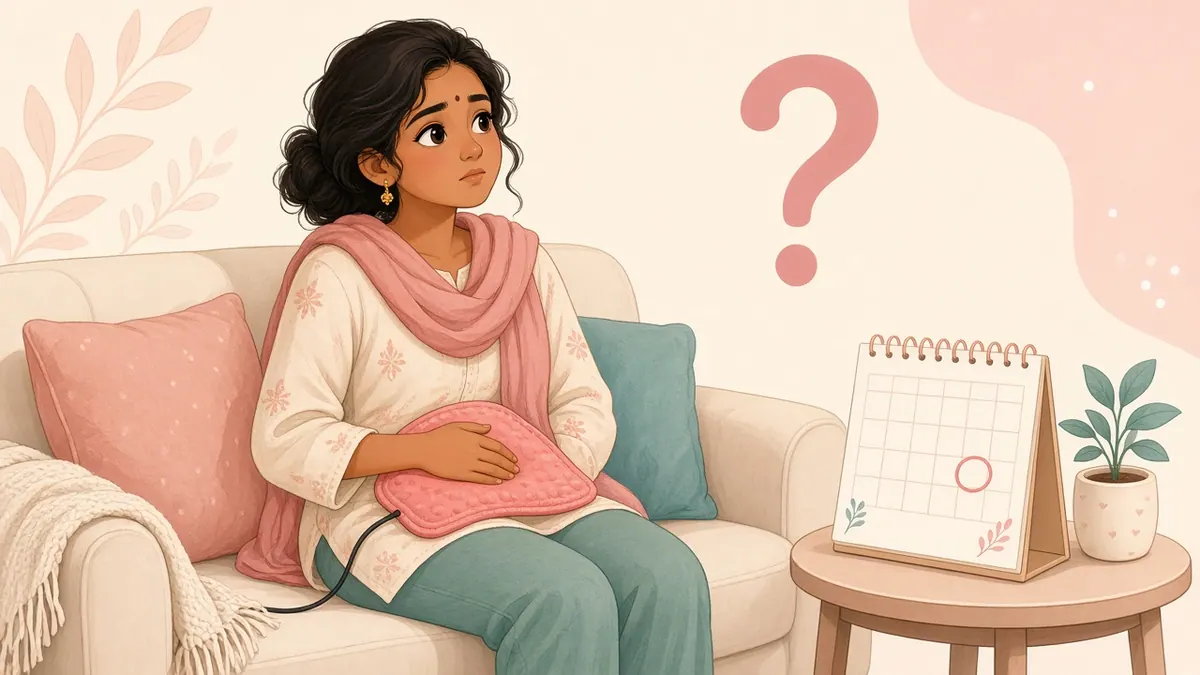
Every month, she knew her period was coming — not because she had checked the calendar, but because she knew the pain was coming too.
The cramps could be intense enough to make her curl up in bed, miss college or work, cancel plans and wait for the pain to pass.
For a long time, she told herself:
“Maybe this is just what periods are like.”
Friends had cramps too. Her mother remembered having painful periods when she was younger. Perhaps, she thought, she simply had a low pain threshold.
But severe or persistent period pain should not automatically be dismissed as “normal”.
How much period pain is normal?
Some cramping around menstruation is very common. More than half of women and girls who menstruate experience some pain for a day or two each month.
What matters is not simply whether you have pain, but its severity, pattern and effect on your life.
Pain deserves evaluation when it repeatedly:
- makes you miss school, college or work
- prevents normal daily activities
- forces you to cancel plans
- is severe or becoming progressively worse
- continues despite usual measures for period pain
Period pain that affects daily activities and quality of life is also one of the symptoms for which NICE recommends considering endometriosis.
What is endometriosis?
Endometriosis is a condition in which tissue similar to the lining of the uterus grows outside the uterus, most commonly within the pelvis.
This tissue can cause inflammation, scarring and pain. Endometriosis affects an estimated 1 in 10 women of reproductive age worldwide, although symptoms vary considerably from person to person.
Not every woman with painful periods has endometriosis, and not everyone with endometriosis experiences severe symptoms.
But certain patterns of pain should make us think about it.
What symptoms can suggest endometriosis?
Consider speaking to your gynaecologist if you notice one or more of the following:
Severe or worsening period pain
Pain may become progressively more troublesome or interfere significantly with your normal activities.
Pain beginning before the period
Endometriosis-related pelvic pain may start before menstrual bleeding begins and continue during or beyond the period.
Pelvic pain between periods
Pain that occurs at other times during the month, rather than only during the first day or two of menstruation, deserves evaluation.
Pain during or after intercourse
Deep pain during or after sexual intercourse is a recognised symptom of endometriosis.
Painful bowel movements or urinary symptoms around periods
Some women experience pain while passing stools, pain while urinating or other bowel and bladder symptoms that become noticeably worse around menstruation.
Difficulty becoming pregnant
Endometriosis can be associated with fertility problems. Difficulty conceiving, particularly when accompanied by pelvic pain or painful periods, may be another reason to investigate further.
Does having painful periods mean I have endometriosis?
No.
Period pain can have several causes. Many women have primary dysmenorrhoea, where menstrual cramps occur without another underlying pelvic condition.
Other possible causes of pelvic or menstrual pain include conditions such as adenomyosis, fibroids and ovarian cysts. Cycle problems that look similar are also discussed under PCOS and irregular periods.
The purpose of seeking medical advice is therefore not to assume that you have endometriosis, but to understand why the pain is happening.
What happens when you see a gynaecologist?
Your doctor will usually start by asking about the pattern of your symptoms:
- When does the pain begin?
- How long does it last?
- Is it getting worse?
- Does it occur between periods?
- Are bowel movements or urination painful around your periods?
- Is intercourse painful?
- How much does the pain interfere with everyday life?
- Is there a family history of diagnosed endometriosis?
Keeping a period and symptom diary can be very helpful. NICE specifically recommends this as an aid when discussing possible endometriosis.
Depending on your symptoms, examination and ultrasound may also be advised. Importantly, a normal ultrasound does not completely exclude endometriosis, so persistent symptoms may still require further assessment.
A well-woman visit is a suitable place to start that conversation.
You don't have to simply “put up with it”
Pain is personal. Comparing your periods with a friend, sister or mother is not a reliable way to decide whether your symptoms need attention.
The more useful question is:
“Is my period pain interfering with the way I want to live?”
If the answer is yes — particularly if the pain is severe, worsening, occurs outside your period, accompanies bowel or bladder symptoms, causes pain during intercourse or is associated with difficulty conceiving — speak to your gynaecologist.
Not every painful period is endometriosis.
But severe or persistent period pain deserves to be heard, understood and evaluated.
Sometimes, getting an answer is the first step towards feeling better.
Other related readings
- Fibroids, ovarian cysts and endometriosis
- PCOS and irregular periods
- Fertility evaluation
- Menstrual hygiene
- Well-woman care at Cura Femina